“The time passes extremely slowly, as time should pass.” – Edward Abbey, American author
With this quote, Edward Abbey describes his first two seasons in southern Utah in his book Desert Solitaire. Today, millions of visitors pass through the string of national parks known as the Mighty Five each year. With just a little planning, you’ll see why this amazing road trip is the best and why Edward Abbey loved it, and millions of others do too.
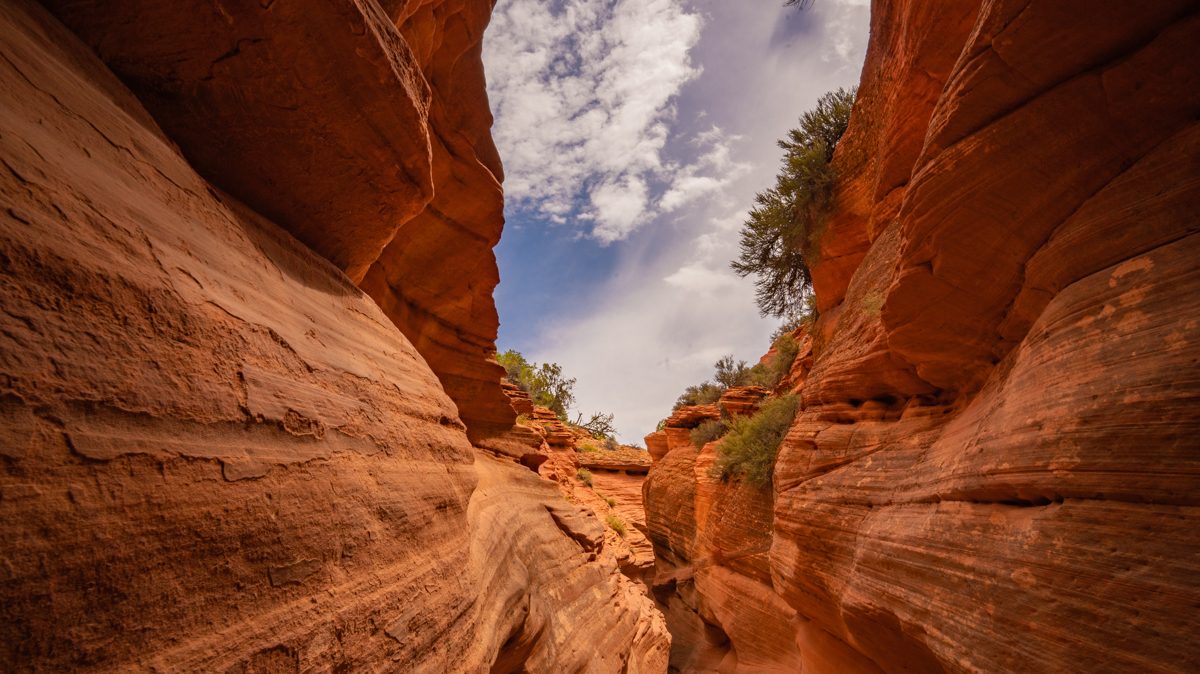
Zion National Park is known for some of the world’s most beautiful canyons.
Eddie and I began an eight-day road trip on the western side of Southern Utah at Zion National Park. We drove through a maze of canyons, tunnels, and towering cliffs from one end to the other, avoiding the crowded park shuttle.
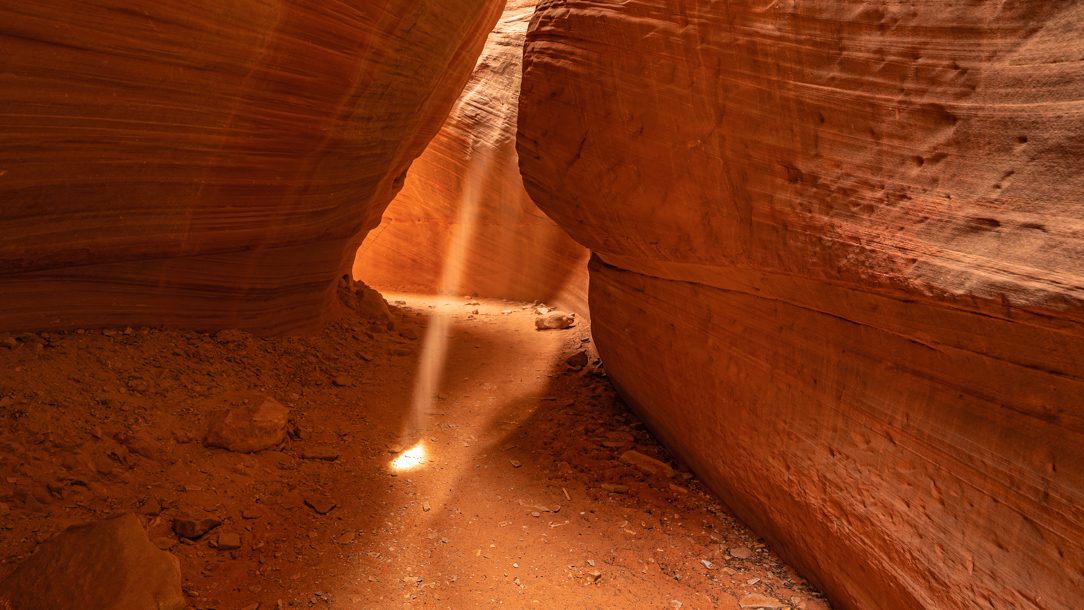
Zion’s canyons sweep and swirl in wave-like patterns. Bicycles and 4-wheel-drive (4WD) tours let visitors get up close. We hired a photography guide who drove us through shifting desert sand to the slot canyons in a 4WD. From there, we hiked on foot.
Photography guides get you to the right places at the right time.
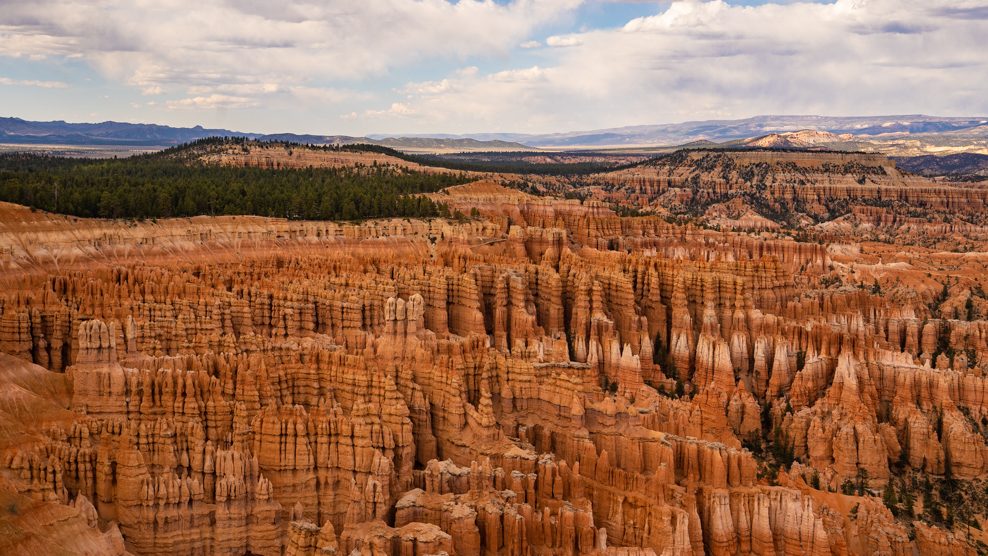
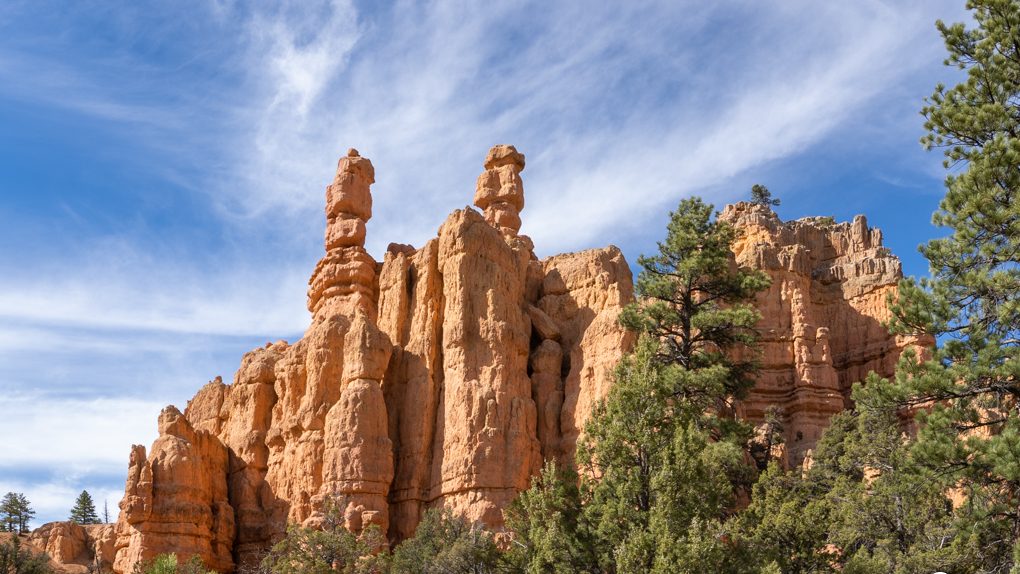
Hoodoos at Bryce Canyon National Park make this southern Utah Road Trip the very best.
Take State Route 12, the Journey Through Time Scenic Byway, from Zion to Bryce Canyon National Park. This amazing 122-mile road is designated an All-American Road.
At Bryce Canyon, you’ve arrived at one of the most extraordinary places on Earth! Why? It has more pinnacles than anywhere else in the world. The Paiute know them as Legend People, turned to stone by the trickster Coyote. They called them hoodoos or fairy chimneys, a more enchanting description than the word pinnacles.
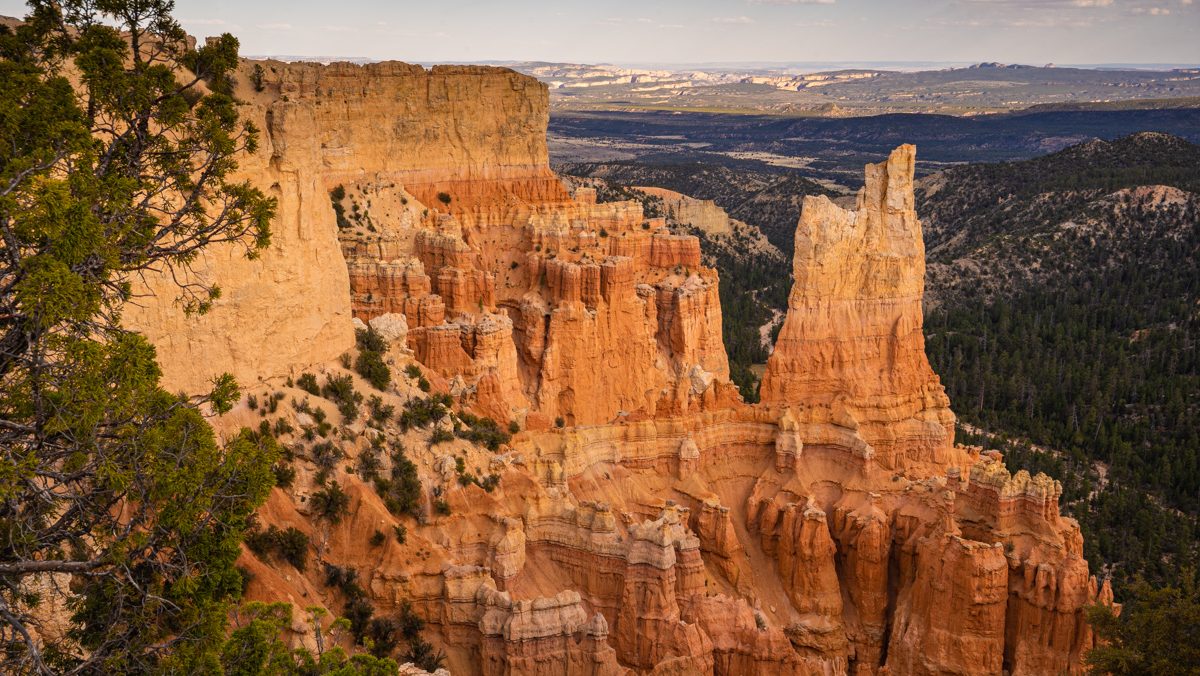
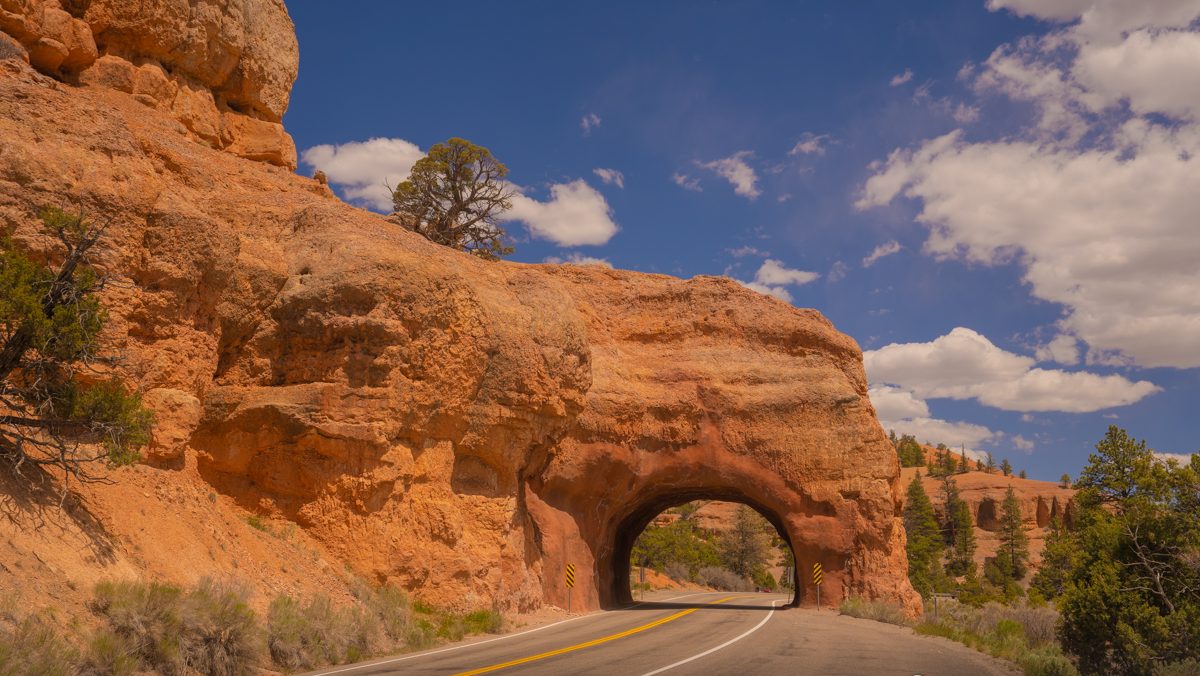
Continuing along Scenic Byway 12 to Capitol Reef National Park, we passed under the iconic arch at Red Canyon.
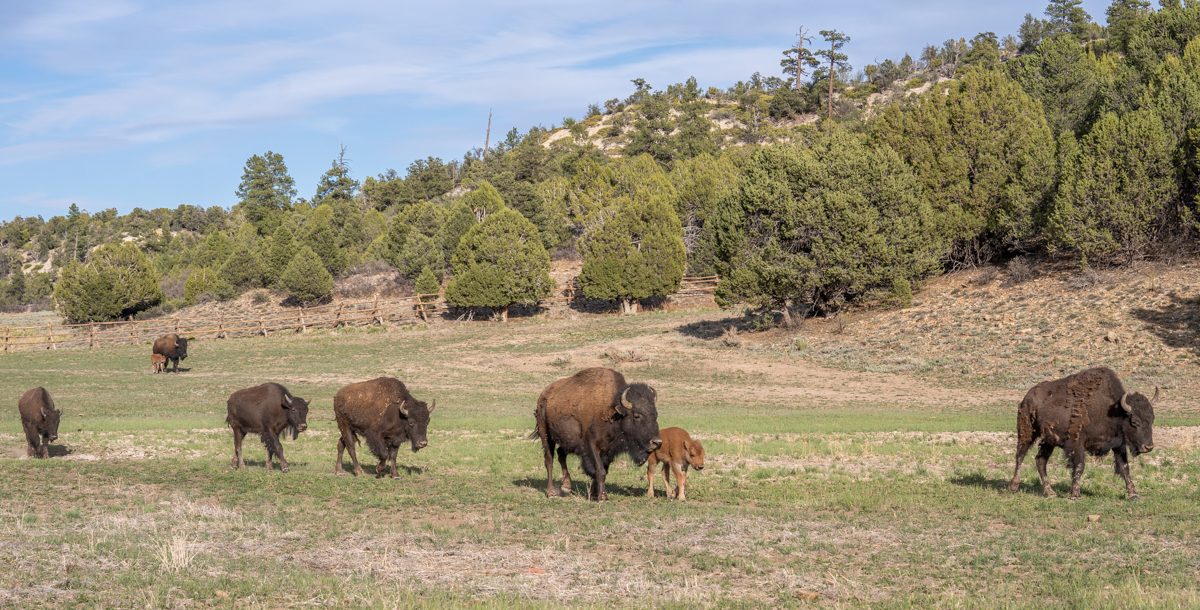
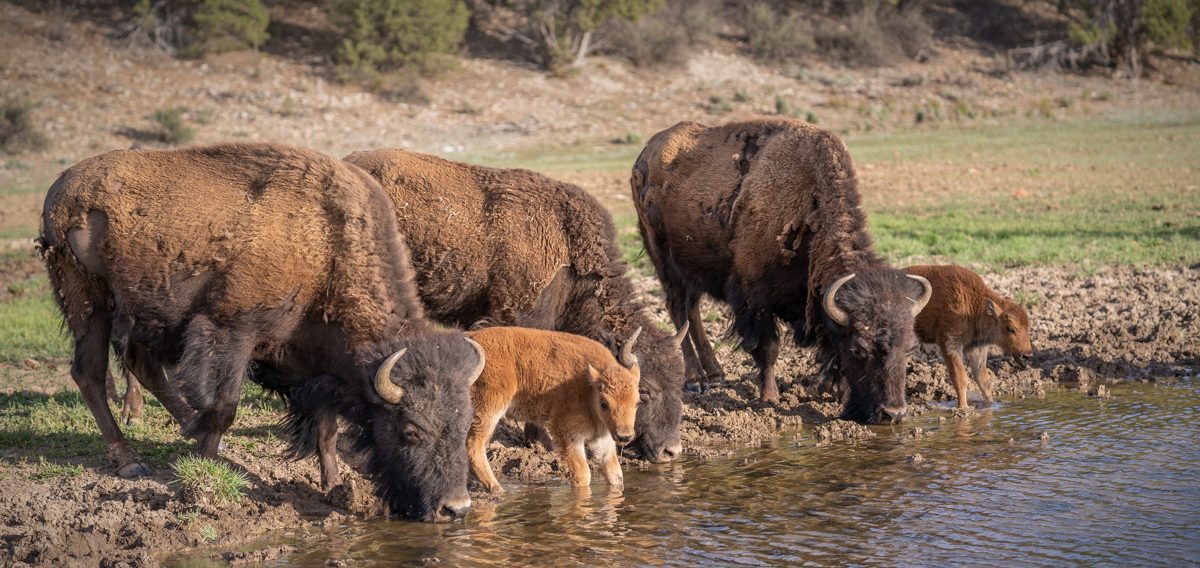
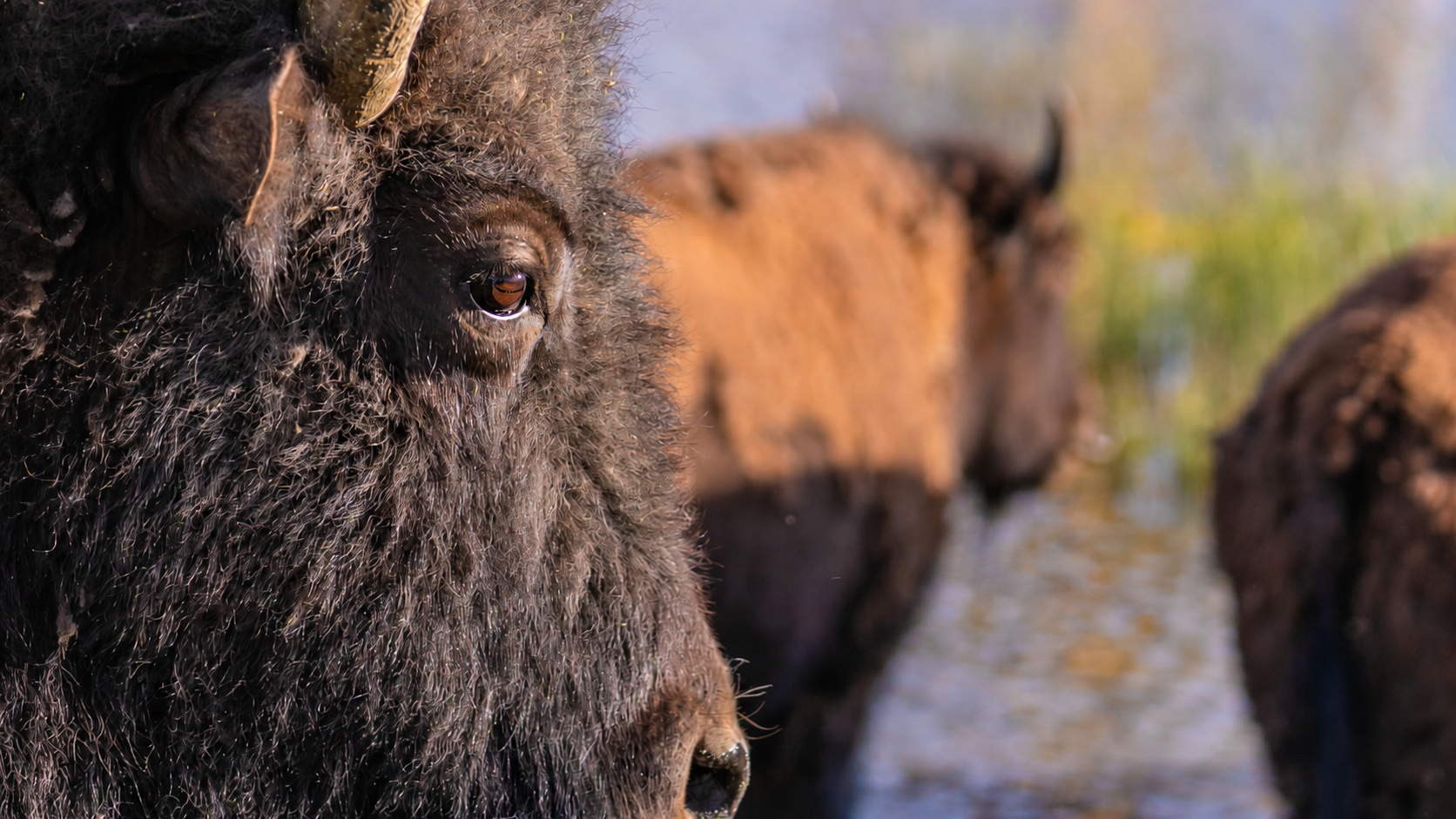
Just off the highway, a small herd of wild bison came along. They headed toward a watering hole near a split-rail fence. This rare sight of the U.S. national mammal—where a single bull can weigh up to 2,000 pounds—was irresistible, and we immediately pulled over for photos.
That day taught me the true value of a telephoto lens! Unaware of how quickly things could change, I snapped photos from behind a split-rail fence, assuming it would protect me. Seconds later, a massive bull casually stepped through a gap in the rails and stopped just eight feet away. Seeing my own reflection staring back from his eyes was all the motivation I needed to turn and run. Hearing people running behind me, I yanked open the first car door I reached—only for them to yell at me to hop in! That’s when I turned around and realized two things: the bison wasn’t even chasing us, and I was about to jump into a complete stranger’s car. Across the road, Eddie was in our rental, laughing hysterically.
Grand Staircase-Escalante National Monument and Capitol Reef National Park
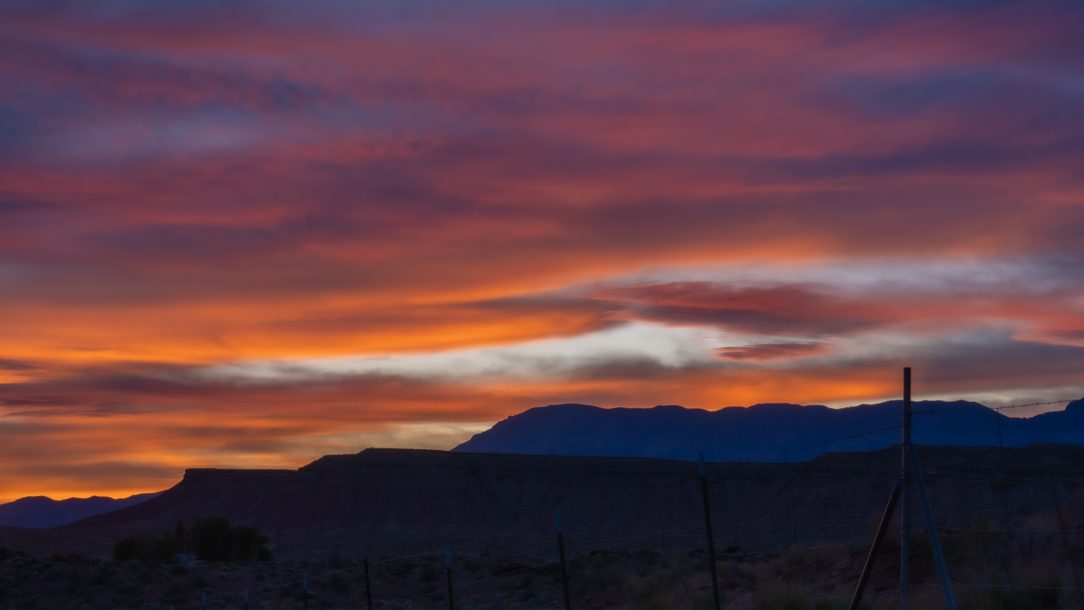
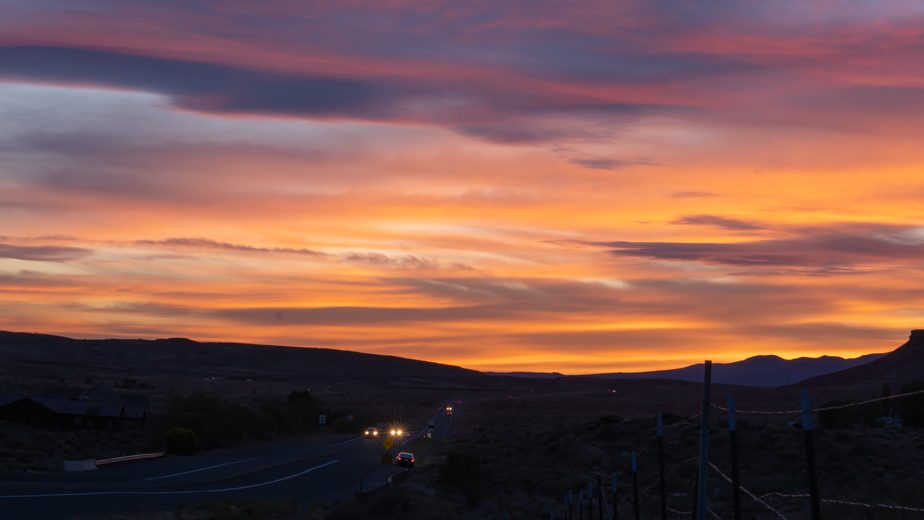
Enveloped by twilight skies, we headed through parts of Grand Staircase-Escalante National Monument and Capitol Reef National Park. It was getting dark, and we missed our rendezvous at a river crossing near Boulder, Utah, to access our hideaway room in a rock cave. So, we abandoned that idea and used the Hotel Tonight App to find the closest hotel room. It was 170 miles away! We saw very little of Scenic Route 276 before twilight slipped away into total darkness. Our biggest regrets were leaving without spending the night in the cave and taking time to photograph the spectacular aspen trees at Boulder Mountain.
Moab, Utah, offers convenient access to parks in eastern southern Utah. From there, we visited Arches National Park, Canyonlands National Park, and Dead Horse Point State Park.
Arches National Park
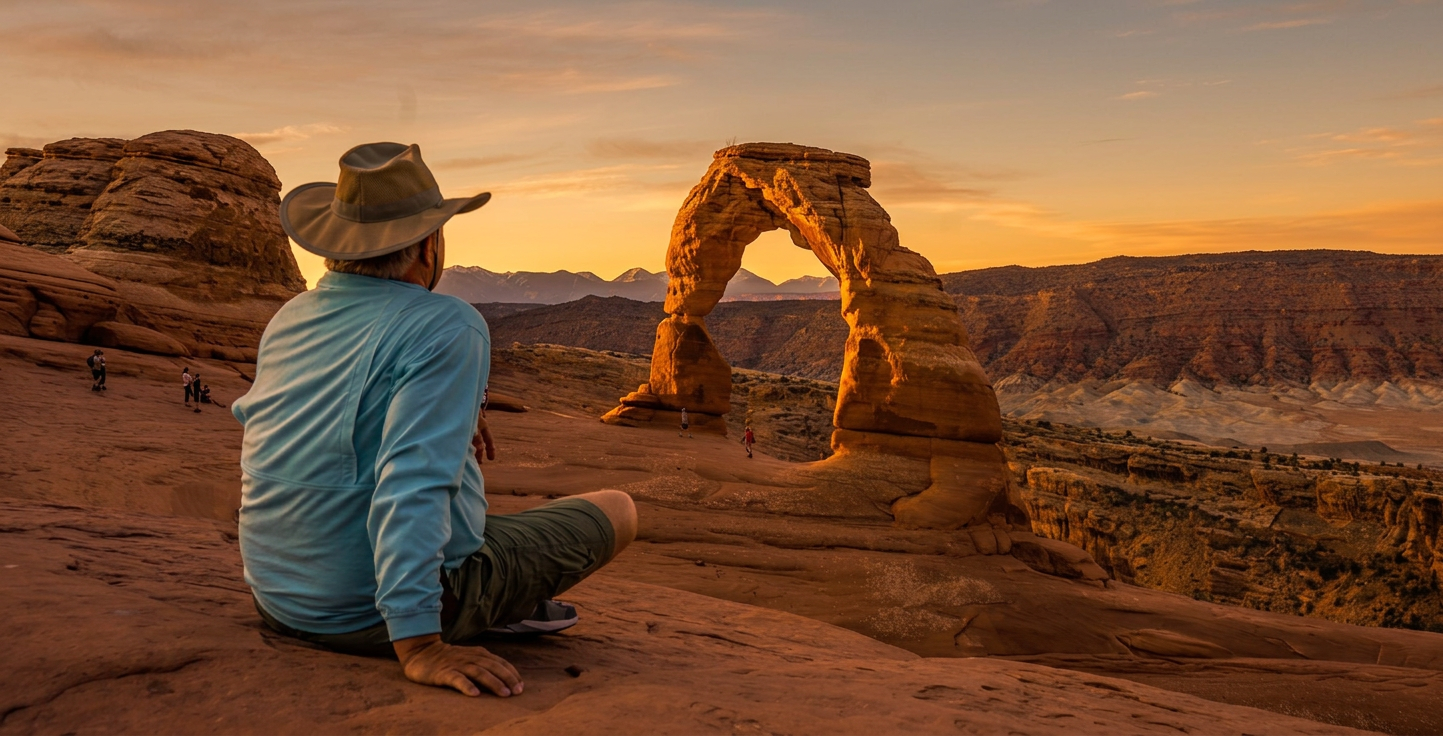
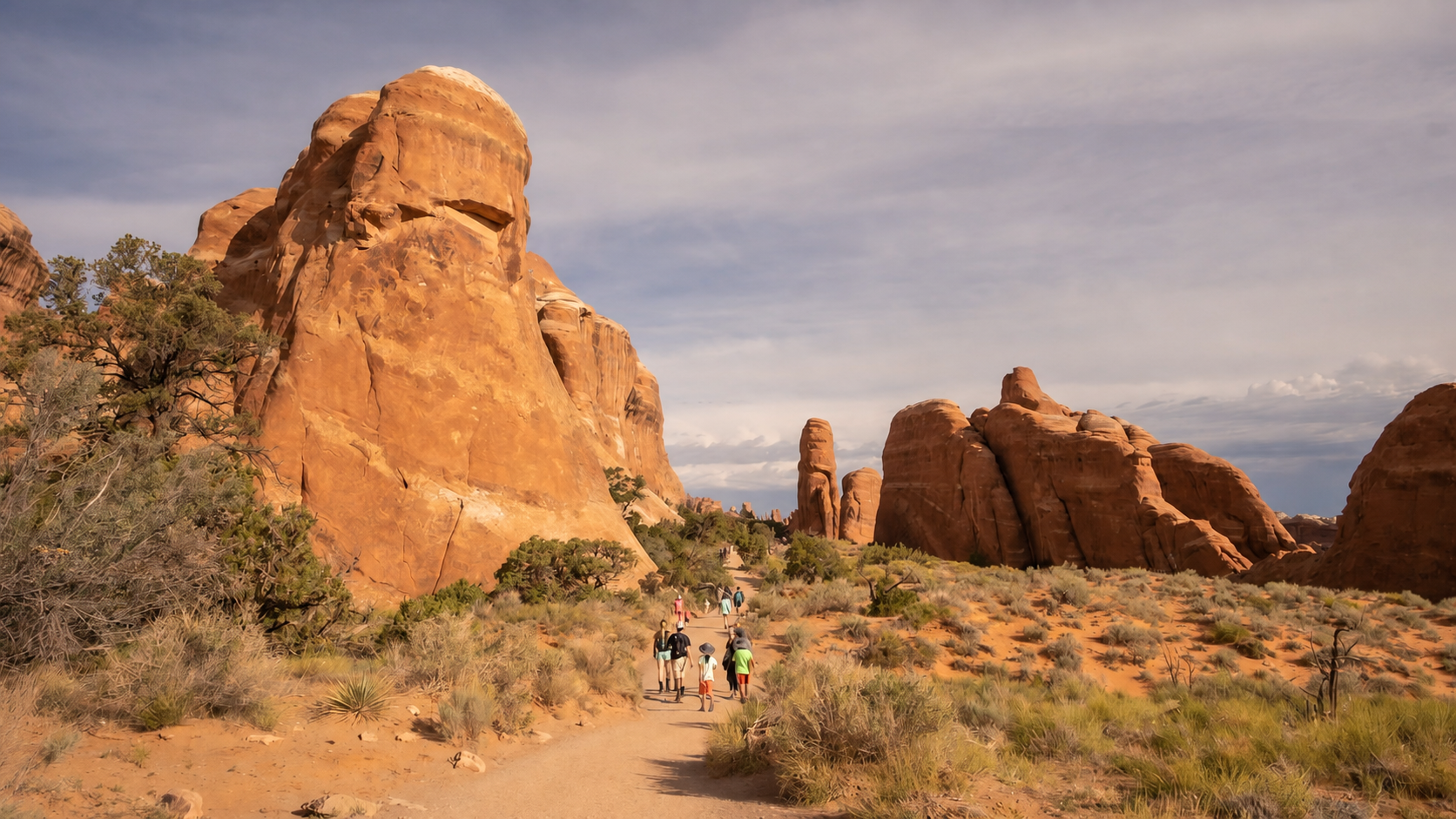
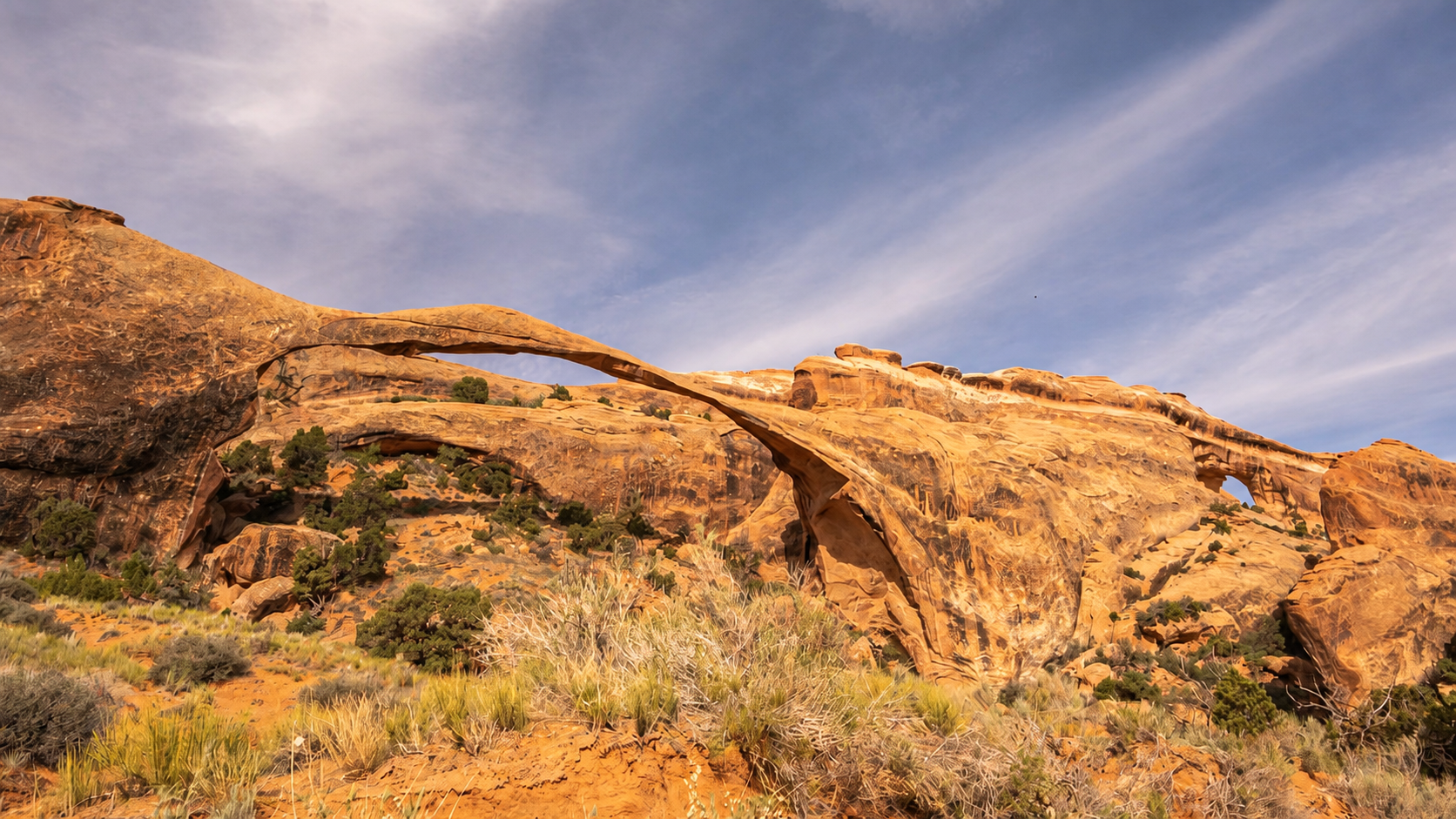
Arrive early for the best chance to get into Arches. We left our hotel at 3:30 a.m.! That let us breeze through the entrance, which is open 24 hours a day. We headed to Delicate Arch first, the world’s most recognizable natural arch. We could already see the occasional flashlight beam of people heading up the trail, and getting up early paid off. The park was full, and visitors turned away by 7:30 a.m.! We stayed there until the light turned the hills to warm amber at dusk, but then left right away to avoid the crowd that would be leaving. The next morning, we headed to Landscape Arch during the golden light of dawn.
Canyonlands National Park
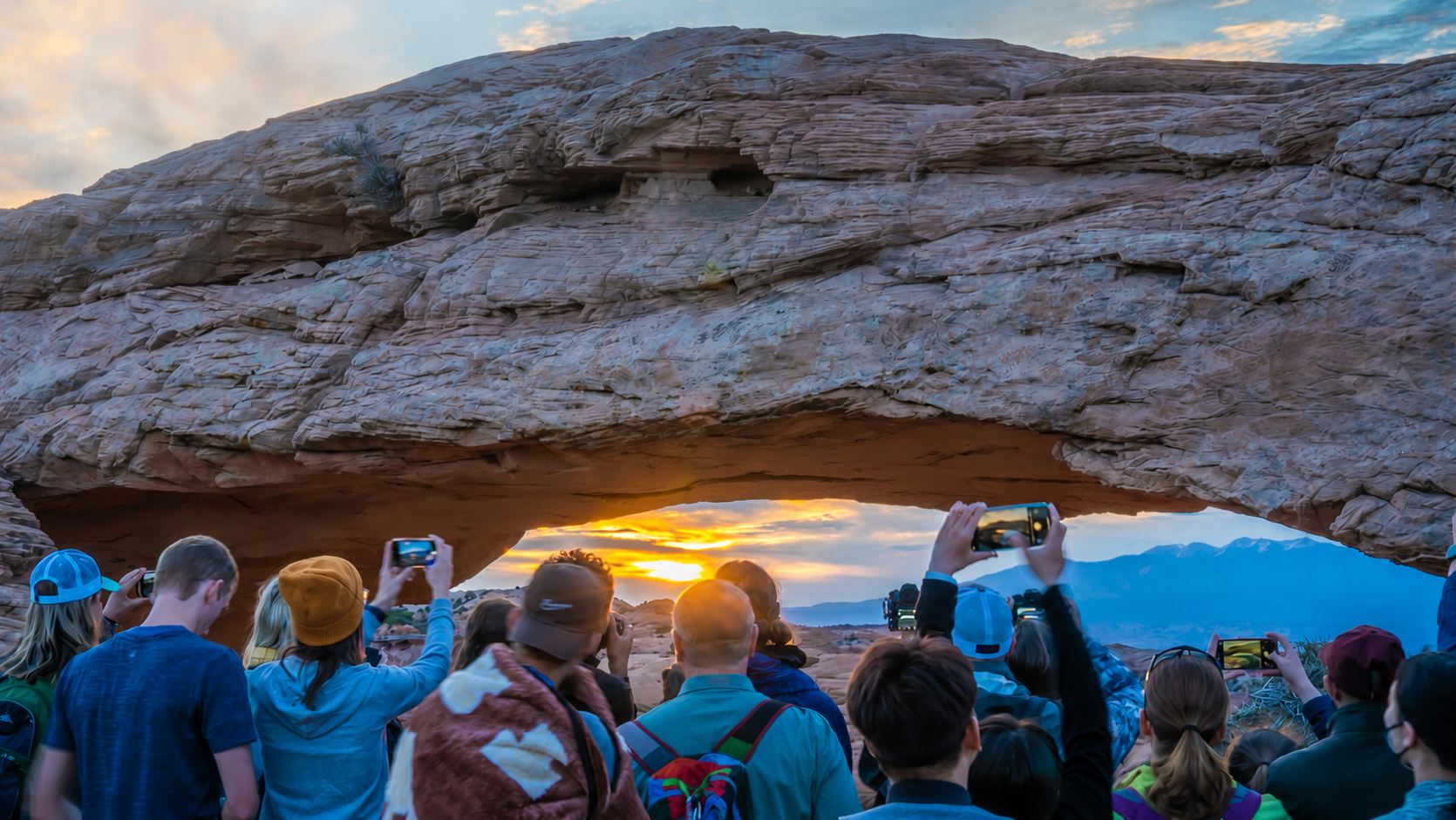
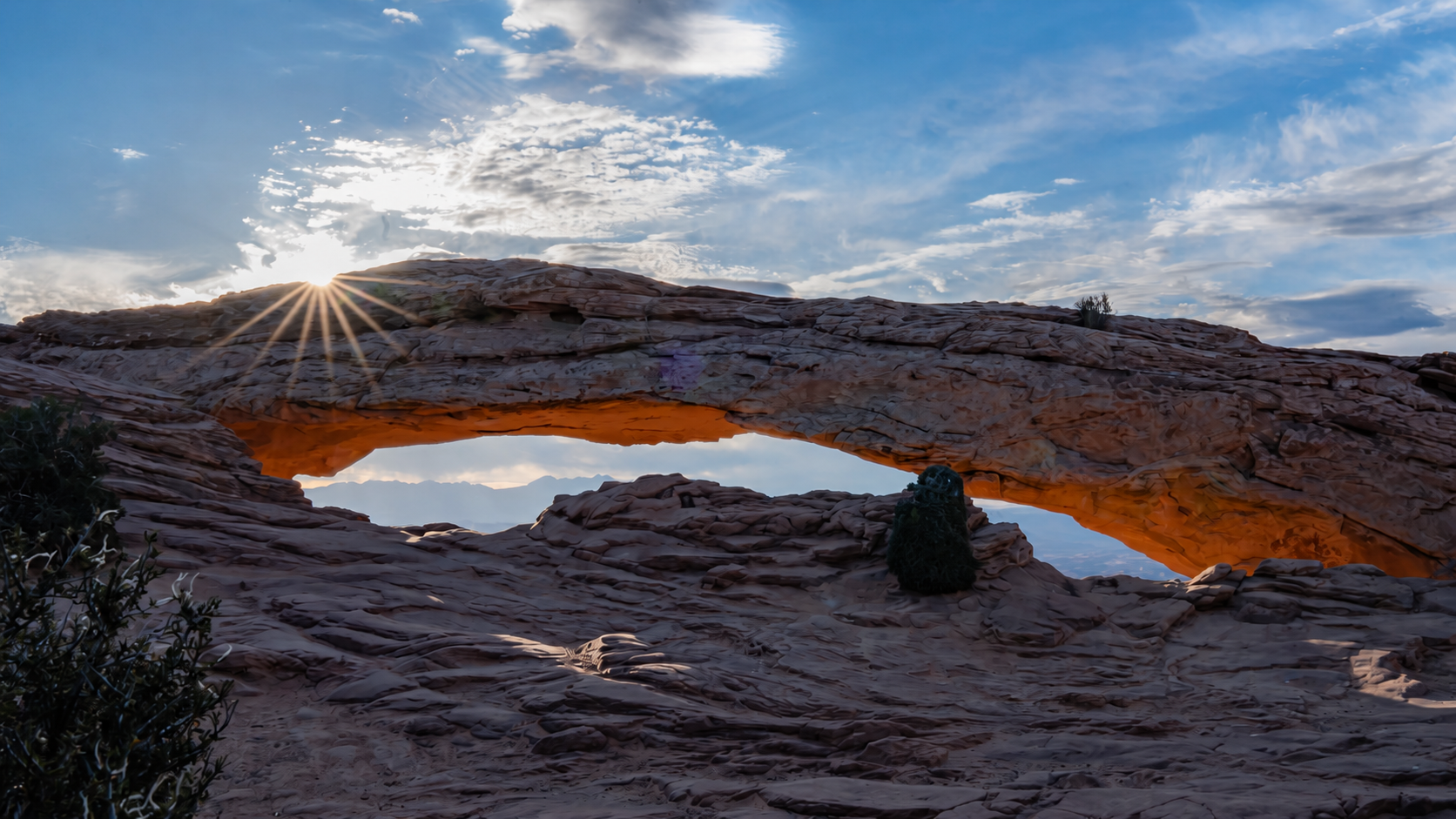
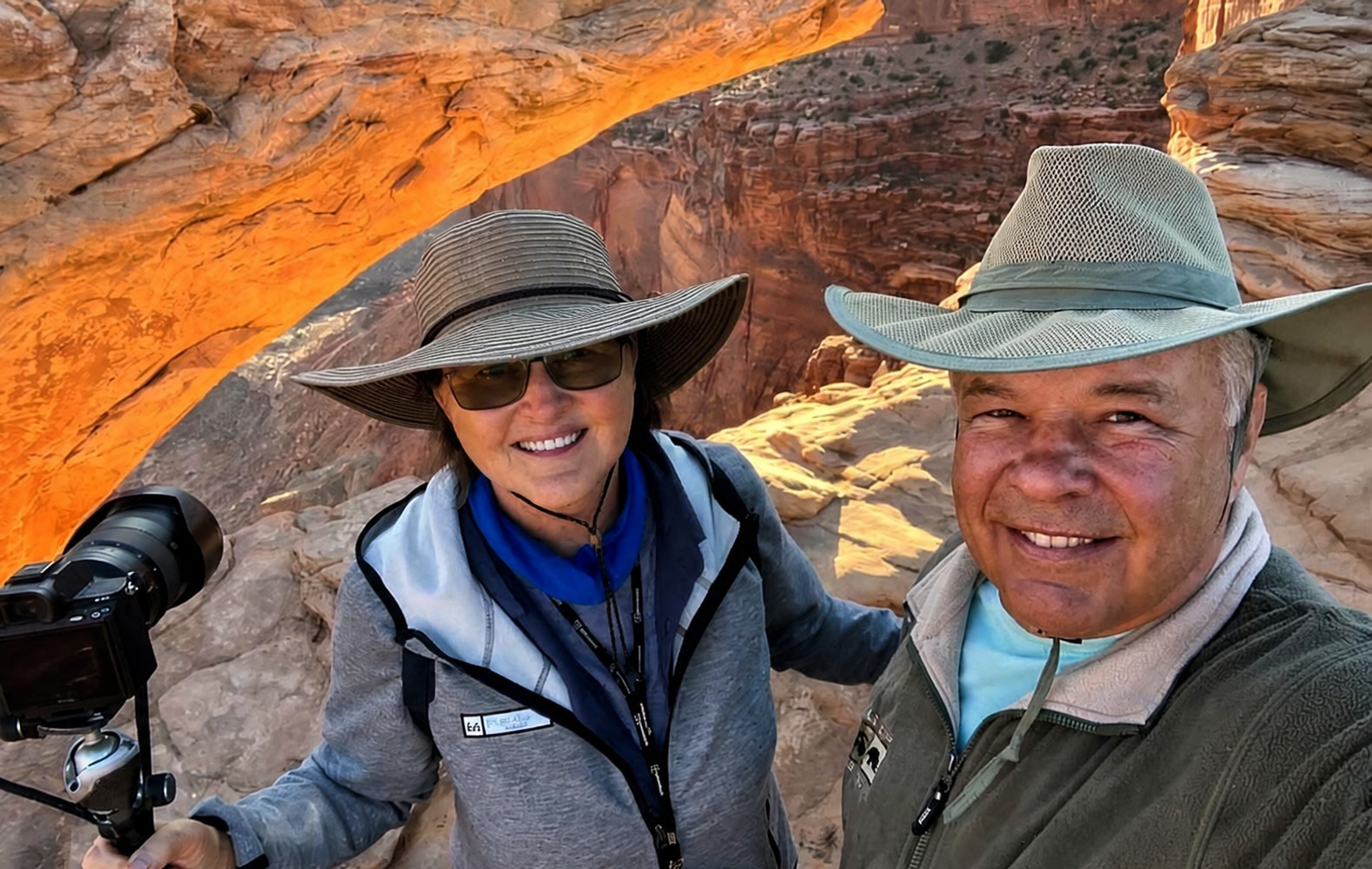
Mesa Arch in Canyonlands National Park draws a crowd for its magical sunrise. Even though we arrived before daylight, the crowd beat us to it! The morning was so clear that I could see the pictures on the cell phones through my lens. With a little patience, we had the arch almost to ourselves and, of course, had to get a selfie in the amber light of dawn.
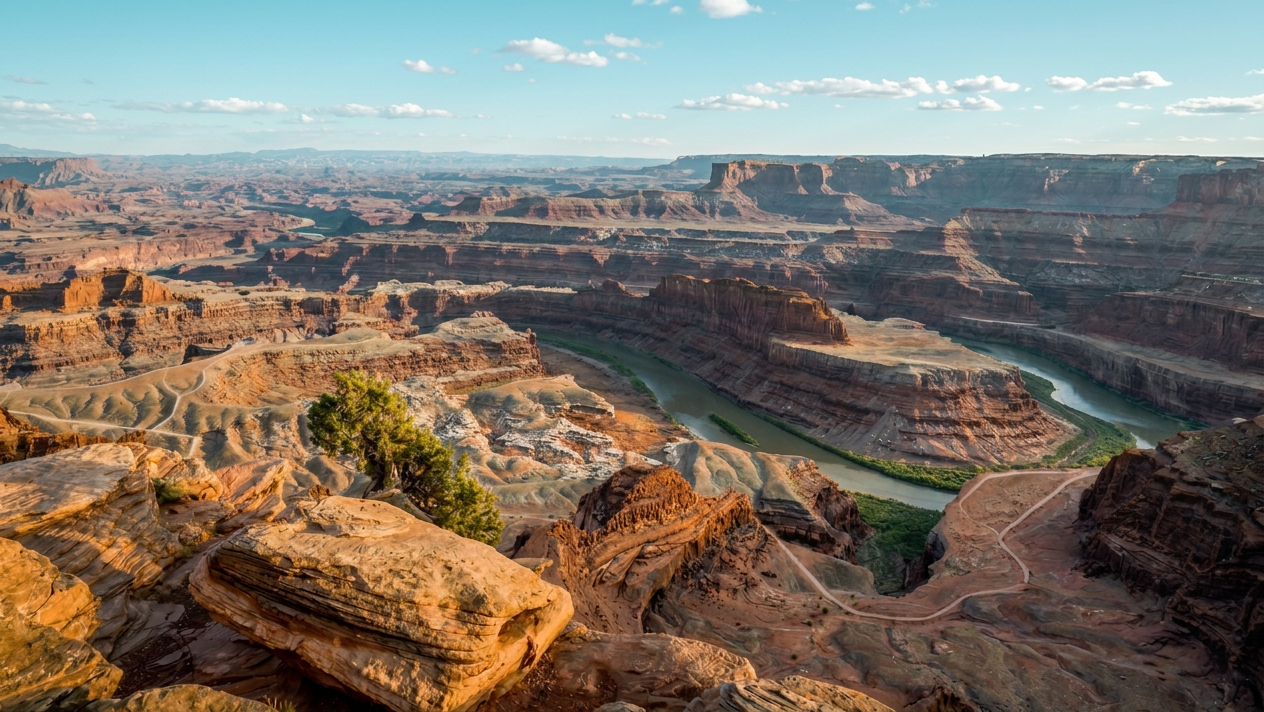
Other views in Canyonlands National Park and nearby Dead Horse Point State Park are less crowded, with places to park and enjoy the views. With another photography guide, we climbed higher up the cliffs, with me on wobbly knees, to less crowded areas.
Dead Horse Point State Park
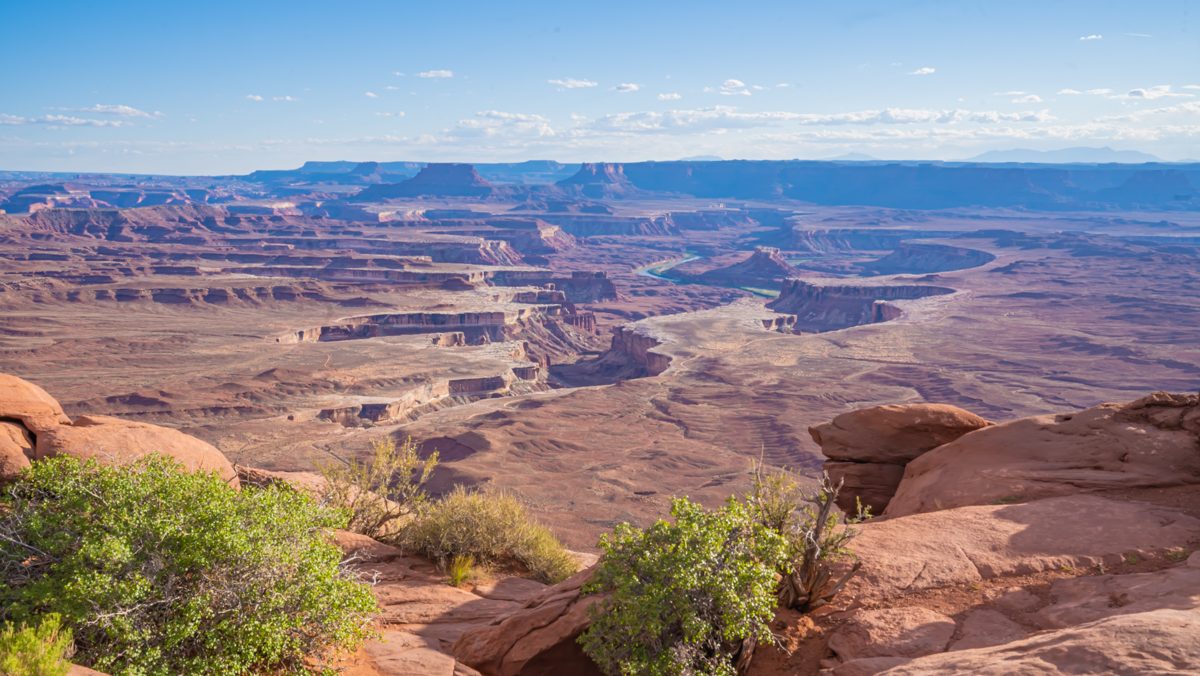
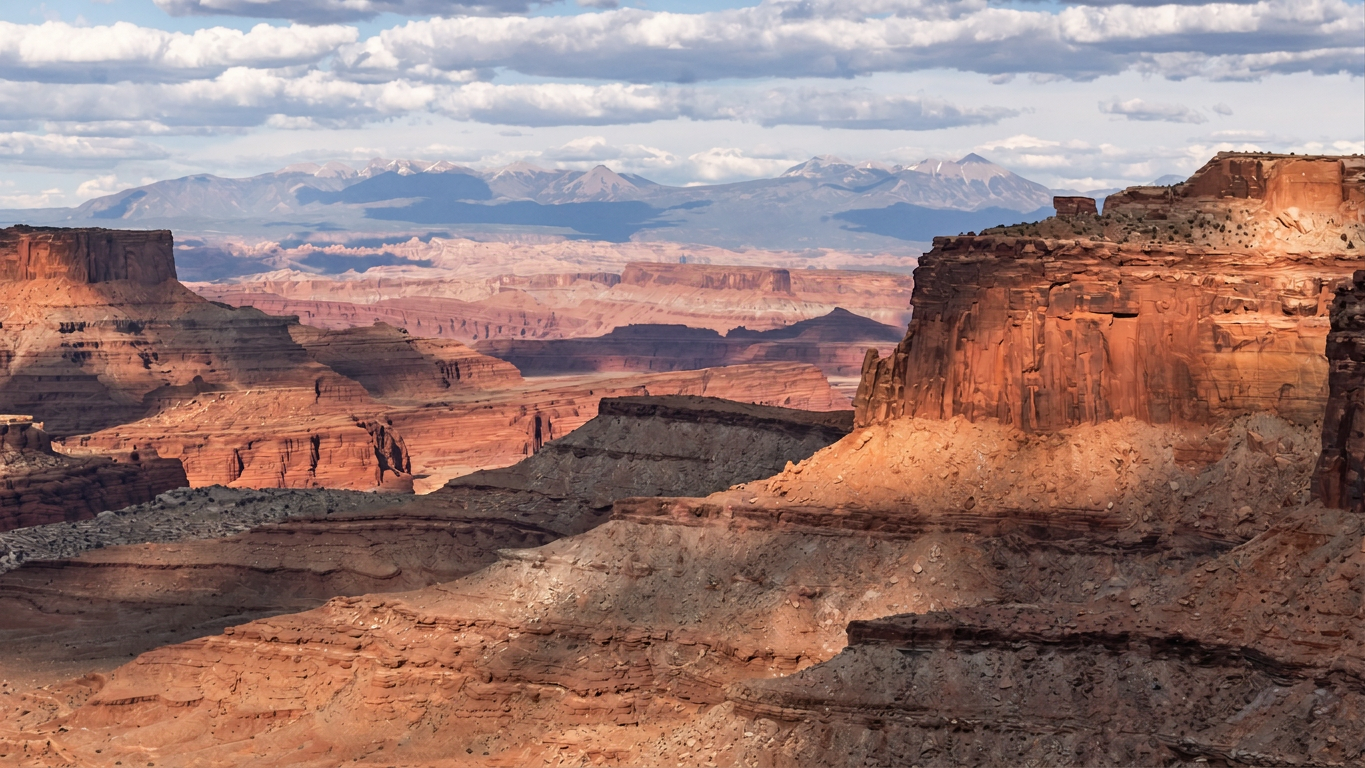
We kept climbing until the dizzying height made my head spin, but the dramatic scene was thrilling.
How we got there.
After spending a week at Tanque Verde Ranch in southern Arizona, Eddie and I rented a car and drove to Utah for this amazing road trip. If you’re flying out to visit the parks in southern Utah and starting at Zion, the closest airport is Harry Reid International Airport (LAS) in Las Vegas, NV. If you’re starting at Arches National Park, the closest airport is Salt Lake City International Airport in UT. From Moab, we drove to Salt Lake City to turn in our rental car and fly home.
See this amazing southern Utah Road Trip on Google Maps.
For more pictures of this southern Utah Road Trip, go to Marie’s Gallery.
Visit City Guide to Living in Salt Lake City and Its Neighborhoods for a complete guide to living in the area.
Travel Note September 25, 2021
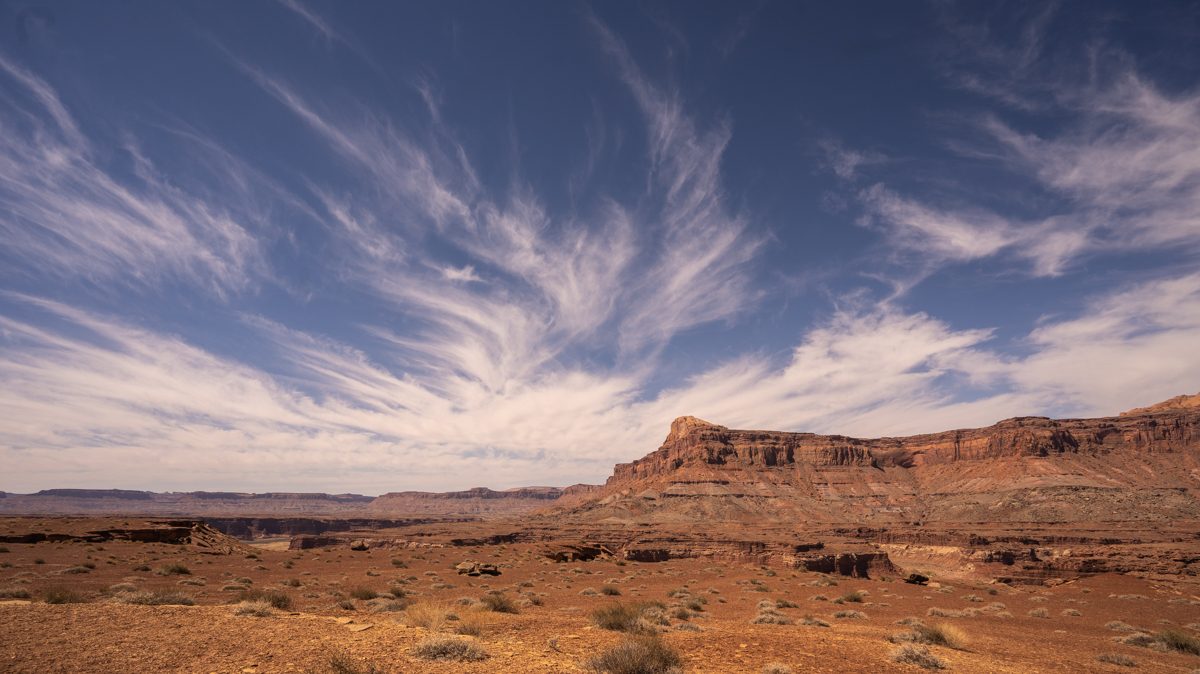
See breathtaking scenes at every turn across southern Utah. The Mighty Five: Zion, Bryce, Canyonlands, Capitol Reef, and Arches are some of the most beautiful parks in the world! And there’s even more beauty spread across Utah.
Thankfully, public laws protect these remarkable historic trails, wild and scenic rivers, parks and monuments, and conservation and wilderness areas. The latest include Utahraptor State Park, named for the state’s dinosaur. This and Lost Creek State Park will soon become Utah’s 45th and 46th state parks. Grand Staircase-Escalante National Monument spans almost one million acres and includes five biological life zones. In 2021, it became the first national monument managed by the Bureau of Land Management. In 2016, a public law designated over one million acres at Bears Ears National Monument. Then, in 2017, another review cut the size by 85 percent. Native people know the area for its important historic and cultural resources. They fought hard to preserve the original tract. Perhaps soon, yet another review will restore it to its original size.
Eddie and I found out why this amazing southern Utah road trip is the best! In eight days, we saw parts of the Mighty Five, Dead Horse Point State Park, and the astonishingly beautiful scenery along the way. Our stops included everything from iconic, crowded places like Delicate Arch to vast wilderness areas in Grand Staircase-Escalante National Monument. We felt our aloneness as we drove through parts of the Grand Staircase at sundown. After dark, the wilderness felt even larger, and we felt even smaller. Had the universe swallowed us? Would we make it out?


You must be logged in to post a comment.